
Hydrafacial benefits include deep cleansing, gentle exfoliation, pore decongestion, improved hydration, and a fresher looking complexion with minimal downtime. Unlike a regular salon facial, a hydrafacial treatment uses a device based system to cleanse, exfoliate, extract impurities, and infuse hydrating ingredients into the skin in one session.
For people searching for hydrafacial in Nepal, the main question is not only “Does it give glow?” but also “Is it right for my skin concern?” This guide explains the real benefits of hydrafacial, expected results, limitations, safety points, and when to consult a dermatologist in Nepal.
Medical evidence on Hydrafacial is still limited, but small studies suggest potential improvements in acne appearance, skin clarity, hydration, pore appearance, and texture. Results can vary based on skin type, treatment quality, products used, and aftercare.
What Is a Hydrafacial Treatment?
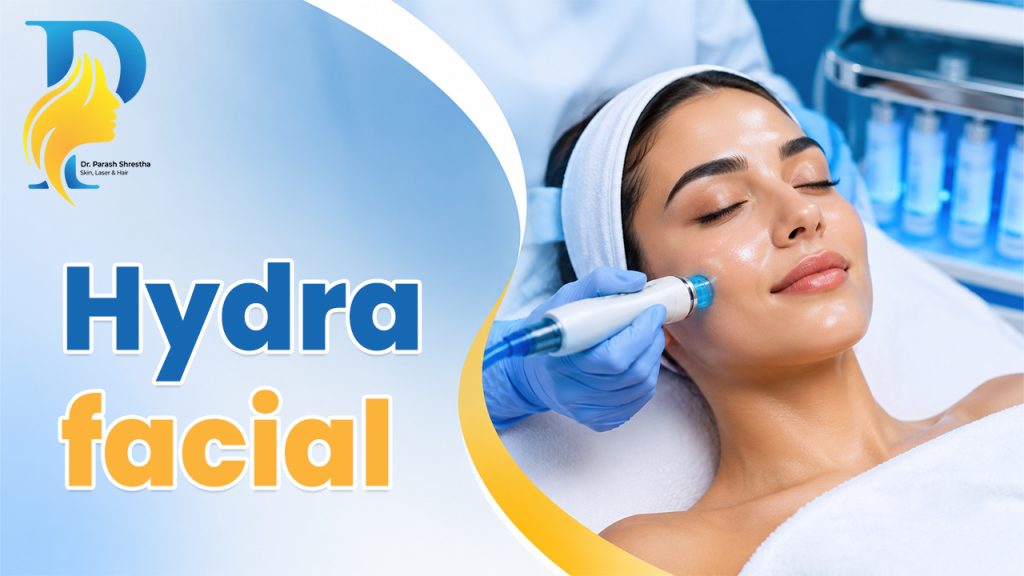
A Hydrafacial is a non-invasive skin rejuvenation procedure that combines cleansing, exfoliation, extraction, hydration, and serum infusion. It is often described as hydradermabrasion because it uses a device assisted method rather than manual scrubbing alone.
The treatment usually works in three steps:
| Step | What Happens | Skin Goal |
| Cleansing and exfoliation | Dead skin cells and surface buildup are removed | Smoother texture |
| Extraction | Vacuum-style suction helps clear clogged pores | Less congestion |
| Hydration and protection | Serums are infused into the skin | Improved moisture and glow |
A hydrafacial treatment is commonly chosen for dullness, oily skin, rough texture, mild congestion, dryness, and maintenance care before events. It is not a cure for all skin diseases, and people with active infection, severe acne, sunburn, or irritated skin should be assessed first.
Key Hydrafacial Benefits for Skin Health
1. Deep Cleansing Beyond a Regular Facial
One of the main hydrafacial benefits is deeper cleansing. Daily exposure to sweat, sunscreen, makeup, dust, and pollution can contribute to clogged pores and dull-looking skin.
Hydrafacial helps loosen and remove surface debris while clearing impurities from congested pores. This can be especially useful for people living in urban areas such as Kathmandu, where dust and pollution are common skin stressors. Air pollution has been a long standing health concern in Kathmandu Valley, with particulate matter being a major issue.
This does not mean Hydrafacial detoxes the skin in a medical sense. The liver and kidneys handle detoxification. For skin, the practical benefit is better cleansing, smoother feel, and temporary improvement in congestion.
2. Gentle Exfoliation for Dull and Rough Skin
Hydrafacial provides controlled exfoliation. This helps remove dead skin cells from the outer skin layer, making the skin look smoother and brighter.
The American Academy of Dermatology notes that microdermabrasion, another non-invasive exfoliating treatment, can help the complexion appear smoother, brighter, and more even after a series of sessions. Hydrafacial is different from traditional microdermabrasion, but both share the goal of gentle surface exfoliation.
This benefit is helpful for people with:
- Dull skin
- Uneven texture
- Rough patches
- Mild dryness
- Tired-looking skin
However, exfoliation should not be overdone. Too much exfoliation can irritate the skin barrier and make pigmentation or sensitivity worse.
3. Better Skin Hydration
Many people choose hydrafacial treatment because their skin feels dry, tight, or dehydrated. During the treatment, hydrating ingredients are delivered after exfoliation and extraction.
This can make the skin feel softer and look fresher soon after the session. Hydration is one of the most commonly discussed benefits of hydrafacial, especially for people whose skin feels dull despite using moisturizers.
In Nepal, weather changes, sun exposure, indoor air, pollution, and inconsistent skincare habits can all affect skin hydration. A dermatologist can help identify whether the dryness is simple dehydration, eczema, over-exfoliation, or another medical condition.
4. Helps Reduce the Appearance of Congested Pores
Hydrafacial can help with clogged pores, blackheads, and excess oil buildup. The extraction step uses suction to remove impurities more gently than forceful manual extraction.
This may be useful for people who frequently notice:
- Oily T-zone
- Blackheads around the nose
- Whiteheads
- Enlarged-looking pores
- Skin that feels bumpy
Pore size is influenced by genetics, oil production, age, and skin elasticity. Hydrafacial may temporarily make pores look cleaner and less noticeable, but it cannot permanently shrink pores.
Hydrafacial Benefits for Acne-Prone Skin
Hydrafacial may help some people with mild acne, oily skin, and clogged pores. A small 2022 study looked at a series of Hydrafacial Clarifying Treatments in adults with mild to moderate acne and reported improvement in overall skin appearance. However, research remains limited, and acne often needs medical treatment when it is persistent, painful, or leaving marks.
Hydrafacial may support acne prone skin by:
| Acne Related Concern | How Hydrafacial May Help |
| Excess oil | Helps clear surface oil and buildup |
| Clogged pores | Extraction step may reduce congestion |
| Dull post-acne skin | Exfoliation can improve surface smoothness |
| Mild inflammation | Gentle cleansing may support skin comfort |
Hydrafacial should not replace dermatologist prescribed acne treatment. If acne is severe, cystic, painful, or causing scars, consult a dermatologist in Nepal before choosing cosmetic procedures.
Hydrafacial Benefits for Pigmentation and Uneven Tone
Hydrafacial may help brighten dull skin and improve the appearance of uneven tone by exfoliating the outer layer and improving hydration. Some treatment plans may include brightening serums, but results depend on the cause of pigmentation.
Pigmentation can be caused by melasma, acne marks, sun damage, hormonal changes, friction, or inflammation. These conditions need different approaches.
For example, melasma often requires sun protection, medical creams, chemical peels, laser planning, or a combination approach. A hydrafacial alone may refresh the skin, but it should not be presented as a complete pigmentation treatment.
The American Academy of Dermatology states that chemical peels can be used by dermatologists for concerns such as acne, discoloration, dull complexion, fine lines, melasma, and rough-feeling skin, but some peels require downtime and supervision.
Hydrafacial Benefits for Fine Lines and Texture
Hydrafacial can make fine lines appear softer temporarily because hydrated skin often looks plumper and smoother. It may also improve the feel of rough texture after exfoliation.
A 2024 study using imaging techniques observed short-term microscopic skin changes after hydradermabrasion, including changes in the epidermis and visible appearance of wrinkles, pores, and pigmentation. However, those changes were not visible at the two-week follow-up, which means the results may be temporary and maintenance sessions may be needed.
Hydrafacial is not the same as Botox, fillers, lasers, microneedling, or surgical procedures. It is better understood as a skin maintenance and rejuvenation treatment rather than a treatment for deep wrinkles or skin laxity.
Hydrafacial vs Regular Facial: What Is the Difference?
| Feature | Regular Facial | Hydrafacial Treatment |
| Method | Mostly manual cleansing and massage | Device-assisted cleansing, extraction, hydration |
| Exfoliation | Scrubs, masks, or mild peels | Controlled device-based exfoliation |
| Extraction | Often manual | Suction-based extraction |
| Hydration | Mask or moisturizer | Serum infusion |
| Downtime | Usually low, but varies | Usually minimal |
| Customization | Depends on provider | Can be adjusted by skin concern |
| Best for | Relaxation and basic care | Cleansing, hydration, congestion, glow |
A regular facial can be relaxing and helpful for basic skincare. Hydrafacial is more structured and technology based, which may make it more suitable for people looking for visible cleansing, hydration, and texture improvement.
Hydrafacial vs Chemical Peel
| Comparison Point | Hydrafacial | Chemical Peel |
| Main purpose | Cleanse, exfoliate, hydrate | Exfoliate and resurface |
| Depth | Usually superficial | Superficial to deep |
| Downtime | Minimal for most people | Can range from none to several days |
| Best for | Glow, hydration, congestion | Pigmentation, acne, texture, fine lines |
| Risk level | Generally low when done properly | Higher if strong acids are misused |
| Supervision | Recommended | Strongly recommended |
Chemical peels can be powerful, but they need careful selection. The FDA has warned against using certain chemical peel products without professional supervision because high-strength acids can cause serious skin injuries.
Hydrafacial is usually gentler, but it may not give the same level of correction for deeper pigmentation, acne scars, or more advanced sun damage.
Who Is a Good Candidate for Hydrafacial?
Hydrafacial may be suitable for many people who want skin maintenance without significant downtime. It may be considered for:
- Dull or tired-looking skin
- Mild clogged pores
- Oily or combination skin
- Dry or dehydrated skin
- Rough texture
- Mild uneven tone
- Event preparation
- Maintenance between dermatologist treatments
It may not be suitable during active skin infection, sunburn, open wounds, severe irritation, or uncontrolled inflammatory skin disease. People who are pregnant, taking strong acne medication, or using prescription activities should ask a dermatologist first.
Are There Side Effects?
Hydrafacial is generally well tolerated, but mild side effects can happen. Reported reactions may include temporary redness, stinging, inflammation, or itching. People with active sunburn or skin infection may be advised to delay treatment.
Possible temporary effects include:
| Side Effect | Usually Means |
| Mild redness | Skin stimulation after exfoliation |
| Tightness | Temporary dryness or sensitivity |
| Tingling | Reaction to active ingredients |
| Breakout-like bumps | Purging or irritation in some cases |
A patch test may be useful for people with sensitive skin or allergy history, especially when boosters or active serums are used.
How Soon Can You See Results?
Many people notice smoother and more hydrated skin shortly after one session. The “glow” is usually temporary and may last days to a couple of weeks, depending on skin type, lifestyle, and aftercare.
For acne-prone skin, texture, and congestion, a series of treatments may be recommended. In the 2022 acne-focused study, participants received treatments every two weeks for 12 weeks.
For maintenance, many clinics suggest sessions every 4-6 weeks, but the best frequency depends on your skin condition, budget, and dermatologist’s advice.
Before and Aftercare Tips
Before Hydrafacial
Avoid harsh exfoliation, strong scrubs, or aggressive activities for a few days before treatment unless your dermatologist advises otherwise. Tell your provider if you are using retinoids, acne medication, steroid creams, or pigmentation creams.
After Hydrafacial
Keep your routine simple for 24–48 hours. Use a gentle cleanser, moisturizer, and sunscreen. Avoid unnecessary exfoliation immediately after treatment.
The American Academy of Dermatology recommends choosing a broad-spectrum sunscreen with SPF 30 or higher. SPF 30 blocks about 97% of UVB rays when used properly.
Good aftercare helps protect your results and reduces the risk of irritation.
Why Choose a Dermatologist in Nepal for Hydrafacial?
A dermatologist led approach is important because not every skin concern should be treated as a beauty problem. Acne, pigmentation, rosacea, eczema, fungal infection, and steroid-damaged skin can look similar to untrained eyes.
Dr. Parash Shrestha is a licensed dermatologist in Nepal with NMC No. 7527, MBBS, MD, and FAM credentials. He has 15+ years of experience in clinical dermatology, cosmetic dermatology, laser treatments, and hair transplant surgery.
Choosing a dermatologist in Nepal for hydrafacial treatment can help with:
- Correct skin diagnosis
- Safer treatment selection
- Better planning for acne or pigmentation
- Avoiding unnecessary procedures
- Proper aftercare guidance
- Combining Hydrafacial with medical treatment when needed
The goal should be healthier skin, not just temporary brightness.
Hydrafacial Benefits:
| Benefit | What You Can Realistically Expect |
| Glow | Skin may look fresher soon after treatment |
| Hydration | Skin can feel softer and less tight |
| Pore cleansing | Congestion may look reduced temporarily |
| Texture | Skin may feel smoother after exfoliation |
| Acne support | May help mild acne-prone congestion, not severe acne alone |
| Pigmentation support | May brighten dullness, but deeper pigmentation needs diagnosis |
| Downtime | Usually minimal |
| Safety | Generally well tolerated when properly performed |
FAQs About Hydrafacial Benefits
1. What are the main hydrafacial benefits?
The main hydrafacial benefits are deep cleansing, gentle exfoliation, pore extraction, hydration, smoother texture, and a brighter-looking complexion. It is best for maintenance, dullness, mild congestion, and dehydrated skin.
2. Is Hydrafacial good for acne?
Hydrafacial may help mild acne-prone skin by clearing oil and clogged pores. Small studies suggest improvement in acne appearance, but persistent or severe acne should be treated by a dermatologist.
3. Is Hydrafacial safe for sensitive skin?
It can be suitable for some sensitive skin types, but not everyone. If you have rosacea, eczema, allergies, or active irritation, consult a dermatologist before treatment.
4. How often should I get Hydrafacial?
Many people choose Hydrafacial every 4-6 weeks for maintenance. Acne-prone or congested skin may need a customized schedule. Your dermatologist can suggest the right frequency.
5. Can Hydrafacial remove pigmentation?
Hydrafacial may improve dullness and mild uneven tone, but it does not remove all pigmentation. Melasma, acne marks, and sun spots need proper diagnosis and a treatment plan.
6. Is Hydrafacial better than a regular facial?
Hydrafacial is more device-based and focuses on cleansing, exfoliation, extraction, and hydration. A regular facial may be better for relaxation, while Hydrafacial may be better for visible skin refreshing.
7. Is there downtime after Hydrafacial?
Most people have little to no downtime. Mild redness or tingling can happen but usually settles quickly. Avoid harsh products and sun exposure immediately after treatment.
8. Can teenagers get Hydrafacial?
Teenagers with acne or oily skin should first be assessed by a dermatologist, especially if acne is painful, spreading, or leaving scars. Parent or guardian guidance is recommended for minors.
Conclusion
Hydrafacial is a gentle, non-invasive skin treatment that can improve hydration, dullness, clogged pores, rough texture, and overall skin freshness. The most realistic hydrafacial benefits are cleaner pores, smoother skin, better moisture, and a temporary healthy glow.
However, it is not a cure for acne, melasma, scars, or deep wrinkles. For best results, Hydrafacial should be chosen after proper skin assessment, especially if you have acne, pigmentation, sensitivity, or ongoing skin disease.
For people considering hydrafacial in Nepal, consulting a qualified dermatologist helps ensure the treatment is safe, suitable, and part of a long-term skin health plan.
Author Bio

Written/Reviewed by Dr. Parash Shrestha
Dr. Parash Shrestha is a licensed dermatologist in Nepal, NMC No. 7527, with MBBS, MD, and FAM credentials. He has experience in clinical dermatology, cosmetic dermatology, laser treatments, hair and scalp disorders, and skin rejuvenation procedures.