

If you are considering dermal fillers in Nepal, the most important step is understanding that fillers are not just beauty injections. They are medical aesthetic procedures that should be performed by a qualified dermatologist who understands facial anatomy, product safety, and natural-looking results. For patients in Nepal seeking subtle volume restoration, lip enhancement, or smoother facial contours, careful consultation matters more than trends. Dr. Parash Shrestha’s official site positions him as a consultant dermatologist and venereologist offering cosmetic dermatology services including Botox, anti-aging treatments, skin rejuvenation, fillers in Nepal at B&B Hospital, Gwarko, and Nava Derma Skin & Laser Clinic, New Baneshwor.
Dermal fillers are injectable materials used to restore volume, soften lines, and enhance facial balance. Cleveland Clinic explains that fillers are commonly used to plump lips, smooth creases, and restore facial volume, while the FDA notes that approved dermal fillers are intended for specific facial uses in adults. That is why choosing the right injector is essential: the treatment is both aesthetic and medical.
What are dermal fillers?
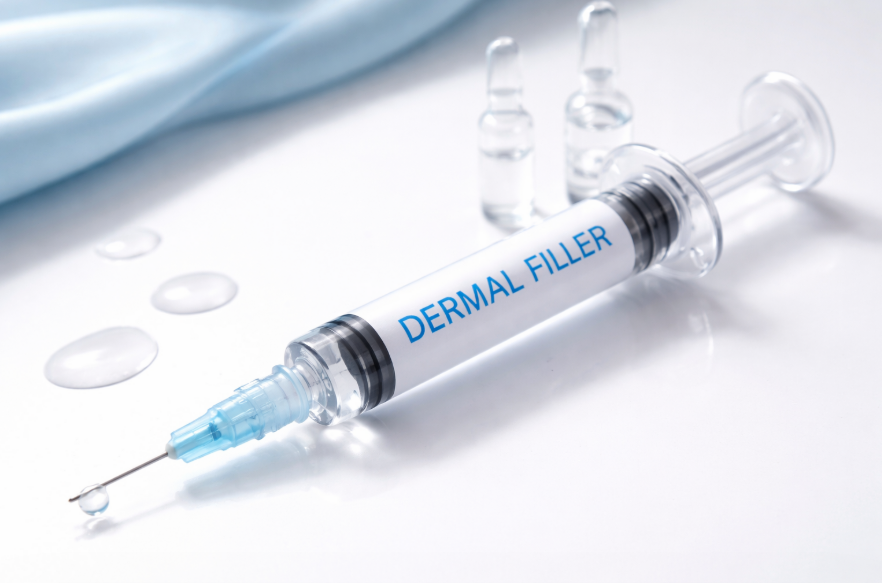
Dermal fillers are gel-like injectable products placed beneath the skin to add volume or improve contour. Many of the most widely used fillers are based on hyaluronic acid, a substance naturally found in the body. Depending on the product and treatment area, fillers may be used for the lips, cheeks, nasolabial folds, marionette lines, jawline, chin, and under-eye hollows. Cleveland Clinic and the FDA both note that fillers can be temporary, semi-permanent, or longer-lasting depending on the material used.
For patients looking for dermal fillers in Kathmandu or lip fillers in Nepal, the more useful question is not “Which fillers in Nepal is popular?” but “Which filler is appropriate for my face, skin quality, and goals?” A good consultation should consider facial structure, movement, symmetry, skin condition, and whether filler is even the best option for the concern being treated. Dr. Parash Shrestha’s site consistently emphasizes personalized dermatology care rather than one-size-fits-all treatment.
What can dermal fillers help with?
Dermal fillers are commonly used to improve:
- lip volume and shape
- sunken or flat cheeks
- smile lines and facial folds
- chin and jawline contour
- age-related volume loss
- facial balance and profile harmony
The goal should not be to make the face look “done.” The goal should be natural support, refreshed contours, and proportion. That is why medically trained injectors are preferred over trend-driven providers. Parash’s own cosmetic dermatology positioning highlights fillers as part of broader anti-aging and skin rejuvenation care, which is the right way to approach these treatments.
Dermal fillers vs Botox: what is the difference?
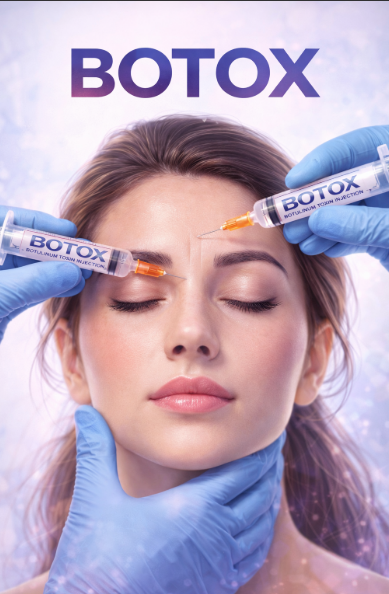
Patients often confuse fillers with Botox, but they work differently. Botox relaxes targeted muscles and is typically used for dynamic lines caused by facial movement, such as forehead lines or crow’s feet. Fillers, on the other hand, add volume and are used for static lines, contouring, and volume loss. Cleveland Clinic notes that the two treatments are often used together because they address different concerns.
This is important for anyone searching for lip fillers in Nepal or comparing botox in Nepal with filler treatment. If the main issue is volume loss or lip shape, filler may be the right tool. If the concern is expression-related wrinkles, Botox may be more appropriate. Sometimes the best plan involves both, but only after proper facial assessment.
Why qualification matters more than price
Fillers may look simple on social media, but they are technique-sensitive medical procedures. The FDA warns that dermal fillers are not for everyone and should only be used by trained professionals. Risks are higher when products are counterfeit, poorly placed, or injected by unqualified providers. The American Society of Plastic Surgeons also notes risks such as bruising, asymmetry, lumps, infection, and, in rare cases, skin necrosis from interrupted blood flow.
This is where credentials matter. Dr. Parash Shrestha MBBS, MD (Dermatology), FAM, with practice at B&B Hospital, Gwarko and Nava Derma Skin & Laser Clinic, New Baneshwor. His website also frames cosmetic procedures such as Botox and fillers within dermatologist-led care, which is especially important for safety, suitability, and complication management.
Common side effects of fillers
Most filler side effects are mild and temporary. Cleveland Clinic, FDA guidance, and ASPS list common effects such as:
- redness
- swelling
- tenderness
- bruising
- minor bleeding
- temporary lumpiness at the injection site
Rare but serious complications can happen, especially with unsafe technique or poor injector training. These include infection, tissue injury, or blood vessel blockage that may threaten the skin or even vision in extreme cases. That is one reason the FDA and dermatology societies strongly stress trained injectors and approved products.
Who may be a good candidate?
A good candidate for filler treatment is someone who wants subtle improvement, has realistic expectations, and is medically suitable for the procedure. Fillers are often considered by adults who want to restore volume, soften folds, or improve lip shape without surgery. The FDA notes that approved dermal fillers are for adults 22 and older for specific indications.
The right consultation should also identify patients who should delay or avoid treatment. The FDA states fillers may not be appropriate for people with certain allergies or bleeding disorders, and active skin problems in the treatment area should always be reviewed first.
What to expect during and after filler treatment
Filler treatment is usually performed in an outpatient clinic setting. The area is assessed, marked, and cleaned before the product is injected with a needle or cannula, depending on the area and technique. AAD notes that some fillers may require numbing support and, in some cases, allergy testing depending on the product.
After treatment, mild swelling or bruising can occur for a few days. Patients are generally advised to follow post-procedure instructions closely and report unusual pain, blanching, severe swelling, or visual symptoms immediately. Safe aftercare and early review are part of what separates proper medical practice from casual cosmetic service.
Why patients look for dermal fillers in Kathmandu
Kathmandu has seen growing interest in non-surgical cosmetic procedures because many patients want enhancement with minimal downtime. But demand also increases the importance of choosing a properly trained doctor. Dr. Parash Shrestha’s official site places his cosmetic dermatology practice in New Baneshwor, Kathmandu, through Nava Derma Skin & Laser Clinic, while also noting his affiliation with B&B Hospital, Gwarko, Lalitpur. That gives local patients a dermatologist-led option for medical and cosmetic skin care under recognized practice settings.
Why Dr. Parash Shrestha is a strong choice
For brand positioning, Dr. Parash Shrestha stands out because his website presents cosmetic procedures such as fillers and Botox within the scope of specialist dermatology, not just beauty marketing. His published profile highlights expertise in cosmetic dermatology, laser treatments, and evidence-based skin care, which is exactly the kind of background patients should look for when considering injectable treatments.
Final thoughts
Dermal fillers can be a highly effective option for restoring volume, enhancing lips, softening folds, and improving facial balance, but only when they are planned and performed carefully. The best results usually come from conservative treatment, realistic expectations, and a qualified dermatologist who understands both aesthetics and safety.
If you are exploring dermal fillers in Nepal, prioritize injector qualifications, product quality, medical consultation, and natural-looking outcomes over shortcut pricing. For patients in Kathmandu and Lalitpur, Dr. Parash Shrestha’s official practice profile offers a strong dermatologist-led option for cosmetic skin care and facial rejuvenation.
FAQ
Lip fillers price in Nepal?
Publicly listed online prices in Nepal vary widely by clinic, brand, and volume. Recent Nepal-based examples show about NPR 12,000 to 18,000 for 0.5 ml, NPR 20,000 to 35,000 for 1 ml, and higher prices for premium products. These are market examples, not Dr. Parash Shrestha’s official pricing. His public site, based on the pages reviewed here, does not list a fixed lip filler price, so the most accurate quote should come after consultation.
How much does 1 ml of fillers cost?
A practical Nepal market snapshot suggests 1 ml dermal filler often falls around NPR 20,000 to 35,000, while some clinics list higher-end branded fillers at NPR 45,000 to 60,000 per ml. Exact pricing depends on product type, brand, treatment area, and injector expertise.
How much does filler cost in Nepal?
Across publicly listed Nepal clinic pages, dermal filler pricing ranges broadly. Some online listings start around NPR 24,699, while clinic-published examples range from roughly NPR 25,000 to 60,000, depending on whether the treatment uses standard or premium products and how many syringes are needed.
Are fillers cheaper than Botox?
Usually, fillers are not cheaper upfront. Botox is generally priced per unit, while fillers are priced per syringe, and ASPS notes hyaluronic acid fillers often cost more per treatment session. However, fillers often last longer than Botox, so “better value” depends on the area treated and your goals. Botox relaxes muscles; fillers add volume.
Who should avoid fillers?
People with certain allergies, some bleeding disorders, or active issues in the treatment area may not be good candidates. The FDA says dermal fillers are not appropriate for everyone and may be unsuitable for people with certain conditions. In practice, treatment is often delayed if there is active infection, inflammation, or another medical concern that raises risk.
What’s the best age to start fillers?
There is no single best age. The right time depends on your face, skin quality, goals, and whether you are trying to correct volume loss or enhance contour. The FDA notes approved dermal fillers are intended for adults 22 years and older for specific uses. Many people only consider fillers once they notice lip thinning, facial hollowness, or deeper static lines, but the decision should be individualized.Thinking about fillers, lip enhancement, or facial rejuvenation?
Dr. Parash Shrestha practices at B&B Hospital, Gwarko, Lalitpur and Nava Derma Skin & Laser Clinic, New Baneshwor, Kathmandu. His website lists +977-9851145556 for Nava Derma and 01-5970999 for B&B Hospital.