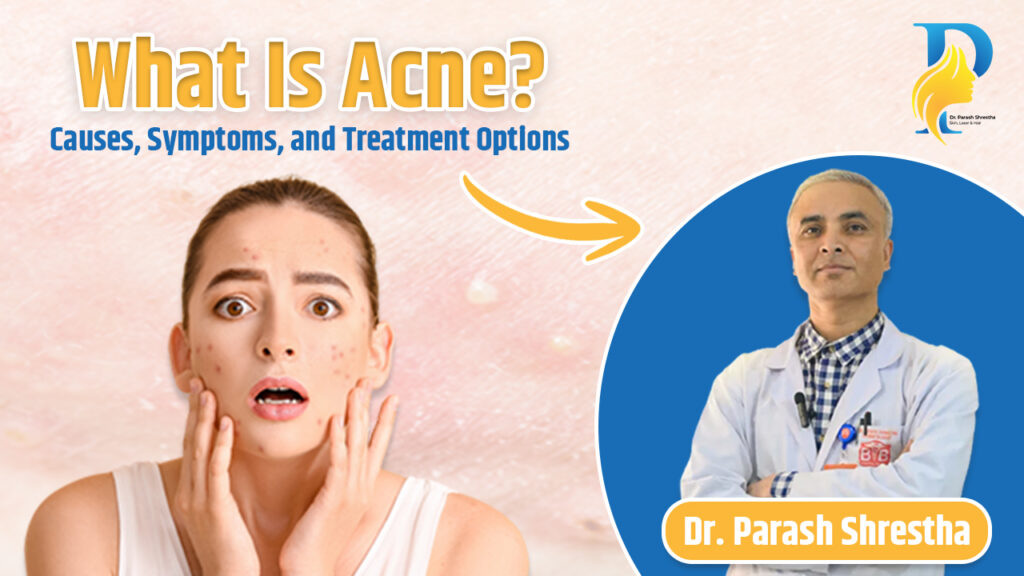
What Is Acne? Causes, Symptoms, and Treatment Options
What is Acne? : Acne is one of the most common skin conditions worldwide, affecting adolescents, young adults, and even people well into adulthood. Despite being common, acne is often misunderstood, underestimated, or treated incorrectly, which can lead to prolonged skin damage and scarring. For many patients, acne is not only a cosmetic concern but also a condition that affects confidence, emotional well being, and quality of life. Understanding what acne is, why it occurs, and how it can be treated appropriately is the first step toward effective management. This article explains acne from a medical perspective including its causes, symptoms, and evidence based treatment options to help patients make informed decisions about their skin health. What Is Acne? Acne is a chronic inflammatory condition of the pilosebaceous unit, which includes the hair follicle and its associated oil (sebaceous) gland. It occurs when these follicles become blocked with oil (sebum), dead skin cells, and sometimes bacteria. While acne is most commonly associated with the face, it can also affect the chest, back, shoulders, and upper arms. From a dermatological standpoint, acne is not caused by poor hygiene. It is a medical condition influenced by internal and external factors that require proper evaluation and, in many cases, professional treatment. Common Types of Acne Acne does not present the same way in every patient. The type and severity vary depending on age, hormonal status, and individual skin characteristics. Non-Inflammatory Acne Inflammatory Acne Understanding the type of acne is essential, as treatment differs significantly between mild and severe forms. What Causes Acne? Acne develops due to a combination of biological processes rather than a single cause. The primary contributing factors include: 1. Excess Sebum Production Hormonal changes, particularly during adolescence, stimulate oil glands to produce more sebum, which can block pores. 2. Blocked Hair Follicles Dead skin cells may accumulate within the follicle, leading to clogged pores. 3. Bacterial Growth Cutibacterium acnes (C. acnes) can multiply in blocked follicles, triggering inflammation. 4. Hormonal Influences Hormonal fluctuations during puberty, menstrual cycles, pregnancy, or conditions such as polycystic ovary syndrome (PCOS) can worsen acne. 5. Genetics A family history of acne increases the likelihood of developing it. 6. Certain Medications and Products Steroids, hormonal medications, and comedogenic skincare or cosmetic products may contribute to acne development. Common Symptoms of Acne Patients with acne may experience: Symptoms may fluctuate over time and often worsen without proper treatment. When Should Acne Be Evaluated by a Dermatologist? Many patients try over-the-counter products for months or years without improvement. Medical evaluation becomes important when: At this stage, consulting a qualified dermatologist in Nepal can help identify the underlying factors and prevent long-term skin damage. How Acne Is Diagnosed Acne is primarily diagnosed through: In some cases, hormonal evaluation or additional investigations may be recommended, especially in adult or treatment-resistant acne. A structured assessment by a dermatologist in Kathmandu ensures that treatment is targeted, safe, and effective. Acne Treatment Options Acne treatment is not one-size-fits-all. Management depends on acne type, severity, age, and skin sensitivity. 1. Topical Treatments These are commonly used for mild to moderate acne. 2. Oral Medications Oral treatments require careful monitoring by a qualified skin doctor in Nepal to ensure safety. 3. Procedural Treatments These may be used as supportive treatments to improve outcomes and reduce scarring. Why Early Treatment Matters Delaying proper acne treatment can lead to: Early intervention by a trained dermatologist helps control acne before complications develop. Early, medically guided acne treatment reduces the risk of scarring and long-term skin damage. Acne Myths and Misconceptions Medical guidance is essential to avoid harmful practices that worsen acne. Acne Care in Nepal: A Clinical Perspective In Nepal, increasing pollution, lifestyle changes, stress, and widespread use of unregulated skincare products have contributed to rising acne cases, particularly among young adults. A board certified dermatologist understands these local factors and tailors treatment accordingly, rather than relying on generic solutions. About the Treating Specialist Dr. Parash ShresthaConsultant Dermatologist & VenereologistNMC No: 7527MBBS, MD, FAM Dr. Parash Shrestha has extensive clinical 7+ years of experience in diagnosing and managing a wide range of skin conditions, including acne and its complications. His approach emphasizes accurate diagnosis, evidence based treatment, and patient education to achieve safe and sustainable results. Frequently Asked Questions (FAQs) Is acne a serious medical condition?While acne is not life threatening, untreated or severe acne can cause permanent scarring and significant emotional distress. Can acne be cured completely?Acne can be effectively controlled in most patients, but long-term management may be required depending on individual factors. Does diet cause acne?Diet alone does not cause acne, but certain foods may aggravate it in some individuals. Is it safe to use online acne products?Unregulated products may worsen acne or damage the skin. Medical advice is recommended before starting treatment. When should I see a dermatologist for acne?If acne persists, worsens, or causes scarring, professional evaluation is advised. Conclusion Acne is a common yet complex skin condition that requires proper understanding and individualized care. While mild cases may improve with basic treatment, persistent or severe acne should be evaluated by a qualified dermatologist to prevent complications. With accurate diagnosis, evidence based treatment, and timely intervention, acne can be effectively managed, helping patients achieve healthier skin and improved confidence.
What Is Acne? Causes, Symptoms, and Treatment Options Read More »