Dr. Parash Shrestha – Leading Dermatologist in Nepal for Skin, Hair & Aesthetic Care
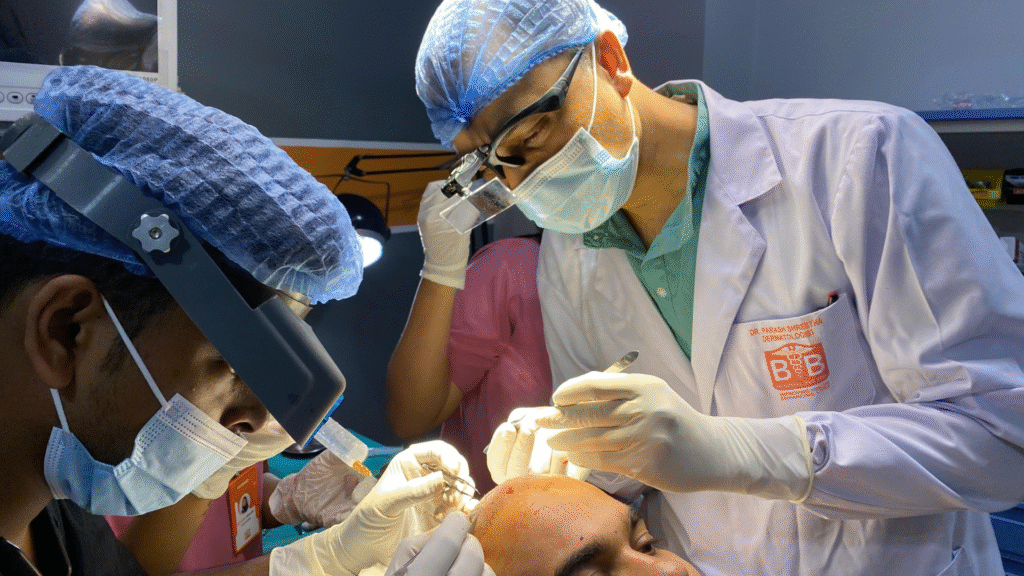
In the evolving landscape of dermatology in Nepal, one name stands out: Dr. Parash Shrestha. With credentials in MBBS, MD and FAM, and registered under NMC No. 7527, Dr. Shrestha leads as a consultant dermatologist & venereologist. His practice reflects a fusion of clinical dermatology, aesthetic and laser treatments, and hair restoration techniques. For anyone seeking a reliable dermatologist in Nepal, the combination of expertise, personalized care and modern equipment matters. This article explores Dr. Parash Shrestha’s background, his services, how dermatology is developing in Nepal, and why choosing a qualified skin specialist is critical. Dr. Parash Shrestha: Profile & Credentials Dr. Parash Shrestha’s professional journey demonstrates depth and breadth. He is a dermatologist and venereologist, specializing in skin, hair and cosmetic treatments.His clinical experience includes senior consultant roles at hospitals in the Kathmandu/Lalitpur region: e.g. at B&B Hospital, Gwarko, Lalitpur. Additionally, his time as lecturer in dermatology at Qiqihar Medical University in China (2016‑2018) adds international exposure. Such credentials place him among Nepal’s leading dermatologists offering both general dermatology and advanced aesthetic and surgical services. Scope of Services – What the Specialist Offers Dr. Shrestha’s service portfolio covers an impressive range of dermatological and cosmetic interventions. This wide service offering enables patients to access both medical and cosmetic dermatology under one roof, a considerable advantage in Nepal’s context, where many clinics specialize narrowly. Why “Dermatologist in Nepal” Matters – The Landscape Dermatology in Nepal is facing increasing demand. Awareness of skin health, hair problems and cosmetic appearance is rising among Nepal’s urban and peri‑urban populations. Simultaneously the availability of trained skin specialists, advanced laser devices and hair restoration services is still limited.Choosing a qualified “dermatologist in Nepal” therefore involves more than simply finding a clinic; it requires verifying credentials, experience, equipment, outcomes and patient safety practices. Dr. Parash Shrestha’s profile covers all these bases. In Nepal’s health care context: Thus, selecting a top dermatologist in Nepal becomes a strategic choice for patients who want trusted results and modern modalities. What Makes Dr. Parash Shrestha Stand Out Several factors distinguish Dr. Shrestha from the broader cohort of skin physicians in Nepal: Key Dermatology and Cosmetic Treatments – Explained Acne, pigmentation & scarring Acne affects adolescents and adults alike, leaving scars and pigmentation. Advanced dermatologists offer laser resurfacing, chemical peels and personalised regimens. Given Nepal’s intense UV exposure and pollution, pigmentation and post‑acne scarring are common. Dr. Shrestha’s facility offering pigment therapy and scar reduction via lasers is thus particularly valuable. Hair loss and hair transplant surgery Hair fall is a major concern for men and increasingly women in Nepal. Hair transplant surgery has evolved from older strip‑methods to modern follicular unit extraction (FUE) and hybrid techniques. Dr. Shrestha’s emphasis on “modern transplant techniques to deliver natural‑looking, long‑lasting results” suggests current standards.Proper hair restoration requires detailed scalp evaluation, donor region assessment and post‑operative care points that distinguish specialist clinics. Laser treatments and skin rejuvenation Lasers play a critical role in treating pigmentation, scars, unwanted hair, vascular lesions and skin tightening. The availability of safe, up‑to‑date laser equipment and trained dermatologists is a key differentiator in Nepal. Dr. Shrestha’s offering of laser procedures for skin rejuvenation and scar reduction underlines value. Cosmetic dermatology: botox, fillers, anti aging As the urban Nepalese population becomes more appearance conscious, demand for minimally invasive aesthetic treatments rises. Procedures like botox, dermal fillers, chemical peels and non surgical rejuvenation are increasingly sought after. Such treatments demand surface knowledge of facial anatomy, injection technique and safety best handled by a trained dermatologist with aesthetic experience. Venereology and STIs Skin specialists also treat infections of skin, hair and nails and venereal diseases. Dr. Shrestha’s service of confidential STI care and preventive education is a plus in an integrated dermatology practice. Patient Experience & Care Philosophy Quality dermatology is not only about equipment and credentials, it’s also about patient journey and care experience. Dr. Shrestha emphasizes: In an environment where patients may feel insecure about skin disorders or hair loss, such emphasis on empathy and empowerment builds reputation and referral potential. The Benefits of Choosing a Specialist Dermatologist in Nepal Opting for a certified skin specialist rather than a general practitioner offers multiple advantages: Choosing the Right Dermatologist: Key Considerations When evaluating a “dermatologist in Nepal” such as Dr. Parash Shrestha, patients should check: Dr. Shrestha’s practice ticks many of these boxes based on publicly available information. Final Thoughts Anchoring the blog around a respected specialist such as Dr. Parash Shrestha adds both credibility and search visibility. Patients looking for a dermatologist in Nepal, particularly in the Kathmandu/Lalitpur region, gain confidence from a specialist whose credentials, service breadth and patient centric approach are clear. From routine skin conditions to advanced hair restoration and aesthetic treatments, the integrated offering positions the practice as a top choice.
Dr. Parash Shrestha – Leading Dermatologist in Nepal for Skin, Hair & Aesthetic Care Read More »