
Skin is the body’s largest organ and often the first indicator of overall health. Changes in the skin whether sudden or gradual can reflect environmental exposure, lifestyle habits, underlying medical conditions, or genetic factors. In Nepal, rising pollution levels, climate variation, occupational exposure, and increasing awareness of personal health have led more people to seek accurate information about skin care and skin-related conditions.
Searches for a dermatologist in Nepal, a skin doctor in Nepal, or a skin specialist are usually driven by one core intent: to understand skin problems properly and know when expert evaluation is necessary. This article addresses that intent by offering a clear, evidence-based overview of skin health, common conditions, and the role of dermatology expertise particularly in urban centers such as Kathmandu and Lalitpur without promotional language or exaggeration.
Why This Topic Matters
Skin conditions are among the most common health concerns globally. According to international health data, skin diseases affect nearly one-third of the world’s population at any given time. While many conditions are mild, others can significantly affect quality of life, mental wellbeing, and in some cases, overall health.
In Nepal, dermatological concerns are influenced by:
- High UV exposure due to geography
- Air pollution in cities like Kathmandu
- Limited early consultation in rural areas
- Use of unverified over-the-counter products
Understanding when and why to consult a trained dermatologist in Kathmandu or Lalitpur helps individuals avoid delayed diagnosis, inappropriate treatments, and preventable complications.
Core Explanation: What Does a Dermatologist Do?
A dermatologist is a medical doctor trained to diagnose, manage, and monitor conditions affecting:
- Skin
- Hair
- Nails
- Mucous membranes
Dermatology combines clinical evaluation with an understanding of immunology, infectious disease, oncology, and internal medicine. A qualified skin specialist does not focus only on appearance but on the medical causes behind skin changes.
Dermatologists manage both common and complex conditions, ranging from acne to autoimmune skin disorders and skin cancers.
Common Skin Conditions Seen in Nepal
Skin conditions vary by age, environment, and genetics. In Nepal, dermatologists frequently evaluate the following:
- Acne and acne scars
- Eczema and allergic dermatitis
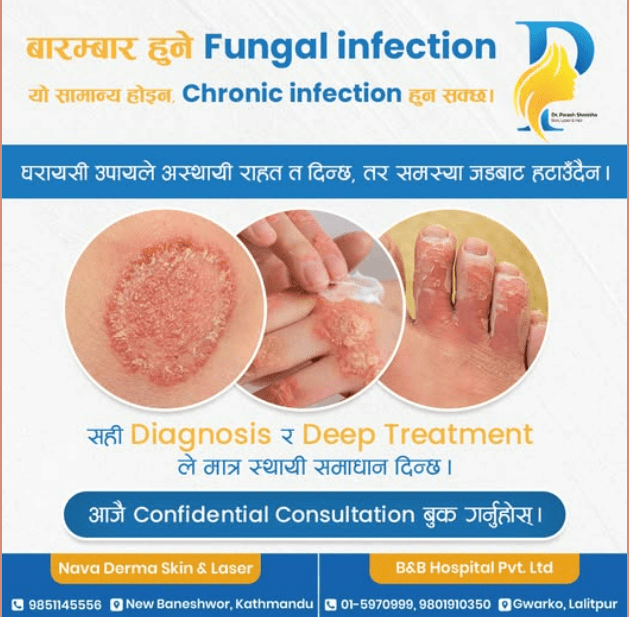
- Fungal and bacterial infections
- Psoriasis
- Vitiligo and pigmentation disorders
- Hair fall and scalp conditions
- Nail disorders
- Skin tumors and suspicious lesions
Many of these conditions appear similar at early stages, which is why assessment by a trained skin doctor in Nepal is important for accurate diagnosis.
Risk Factors and Key Considerations
Certain factors increase the likelihood of developing skin problems or worsening existing ones:
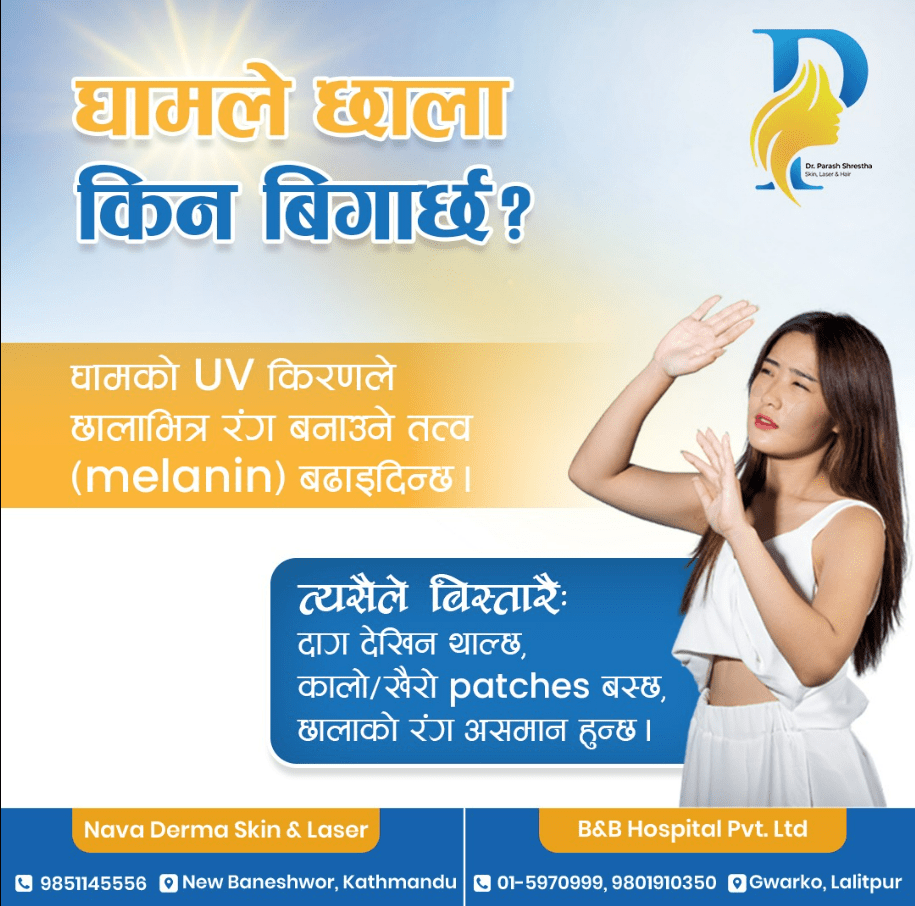
- Prolonged sun exposure without protection
- Air pollution and dust exposure
- Frequent use of cosmetic or steroid-containing creams without supervision
- Chronic stress and sleep deprivation
- Hormonal changes
- Family history of skin disease
- Occupational exposure (construction, agriculture, chemicals)
Understanding these factors allows for early prevention and timely expert consultation.
Symptoms and Signs That Need Attention
Skin symptoms are often visible, but not always straightforward. You should consider evaluation by a dermatologist in Nepal if you notice:
- Persistent itching or rashes
- Non-healing sores or ulcers
- Sudden changes in moles or skin growths
- Unexplained pigmentation changes
- Severe or treatment-resistant acne
- Hair loss with scalp symptoms
- Nail discoloration or deformity
These signs are not meant to alarm, but they should not be ignored when persistent or progressive.
Prevention and Best Practices for Skin Health
Many skin conditions can be prevented or minimized with consistent, evidence-based practices:
- Use sun protection appropriate to Nepal’s UV index
- Avoid unprescribed topical steroids or “quick-fix” creams
- Maintain basic skin hygiene without over-cleansing
- Choose products suitable for your skin type
- Seek early advice rather than self-medicating
Preventive care is a key part of dermatology and reduces the burden of chronic skin disease.
Diagnosis and Evaluation: What to Expect
Dermatological evaluation is usually structured and step-based:
- Detailed medical and lifestyle history
- Visual and physical skin examination
- Dermoscopy (for moles or lesions) if needed
- Laboratory tests or skin biopsy in selected cases
Most diagnoses are clinical and do not require extensive testing. A trained skin specialist aims to keep evaluation clear, efficient, and proportionate.
Treatment and Management Approaches
Treatment in dermatology depends on the condition, severity, and individual factors. Management is often gradual and monitored over time.
Common Treatment Categories
| Approach | Purpose |
| Topical medications | Reduce inflammation, infection |
| Oral medications | Systemic control when required |
| Lifestyle modification | Reduce triggers |
| Procedural treatments | For specific lesions or scars |
| Long-term monitoring | Chronic conditions |
Evidence-based treatment avoids unnecessary interventions and prioritizes safety.
Role of Dermatology Experts
Skin conditions can overlap with internal health issues, allergies, hormonal imbalance, or immune disorders. This is why trained expertise matters.
A qualified dermatologist in Kathmandu or Lalitpur brings:
- Medical training in skin pathology
- Ability to differentiate similar-looking conditions
- Awareness of medication safety
- Experience in long-term disease monitoring
Expert evaluation reduces misdiagnosis and inappropriate treatment use.
Dermatology Care in Nepal
Access and Challenges
- Urban centers have better access to dermatology services
- Rural areas face delays in specialist consultation
- Self-medication remains common
- Awareness is improving but uneven
Opportunities
- Growing public health awareness
- Better referral systems
- Increased focus on evidence-based care
Understanding the local context helps patients make informed choices.
Common Myths and Misconceptions
❌ Skin problems are always cosmetic
✅ Many skin conditions are medical and systemic
❌ Over-the-counter creams are safe for long-term use
✅ Unsupervised use can worsen conditions
❌ Only teenagers get acne
✅ Acne affects adults as well
❌ All rashes are allergies
✅ Infections and autoimmune causes are common
Correct information prevents harm and delays.
Frequently Asked Questions (FAQ)
Q1: When should I see a dermatologist in Nepal?
If a skin problem persists, worsens, or recurs despite basic care, specialist evaluation is appropriate.
Q2: Are skin diseases contagious?
Some are, some are not. Proper diagnosis is necessary to know the difference.
Q3: Can diet affect skin health?
Yes, diet can influence certain conditions, though it is rarely the sole cause.
Q4: Is sun exposure harmful in Nepal?
Prolonged or unprotected exposure increases the risk of pigmentation disorders and skin cancer.
Q5: Do all skin conditions need long-term treatment?
No. Many conditions are short-term, while others need periodic monitoring.
Medical / Professional Review Note

This article is intended for educational and informational purposes only. It does not replace professional medical consultation, diagnosis, or treatment. Skin conditions vary widely, and individual evaluation by a qualified medical professional is essential for safe and appropriate care.
Final Thoughts
Skin health is not merely about appearance it reflects overall wellbeing, environment, and internal balance. Understanding common skin conditions, recognizing early signs, and seeking timely expert evaluation empowers individuals to make informed health decisions.
Whether you are searching for a dermatologist in Nepal, a skin doctor in Kathmandu, or a skin specialist for accurate guidance, informed awareness is the first step toward safer and more effective care.